Posted on 8/28/2026
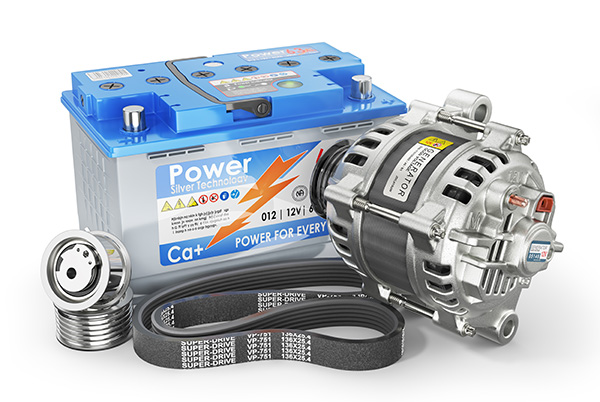
Automatic start-stop systems shut the engine off when the vehicle comes to a stop and restart it when the driver is ready to move again. The goal is to reduce fuel use and emissions during idling, especially in traffic. Because the engine may restart dozens of times during a commute, many drivers wonder whether all those extra starts wear out the starter, battery, alternator, or engine faster. The short answer is that vehicles equipped with start-stop technology are built for that extra workload. They normally use upgraded batteries, reinforced starting components, and control strategies designed specifically for frequent restarts. Problems are more likely when one of those components weakens, the wrong replacement battery is installed, or the charging system no longer operates correctly. Start-Stop Systems Use Heavy-Duty Starting Components A conventional starter may only operate a few times during a normal day. A start-stop vehicle can cycle the engine far more of ... read more